
The picturesque meadows, dotted with remnants of foam resembling large, fluffy snowballs, mask a serious environmental concern: the contamination wrought by toxic per- and polyfluoroalkyl substances (PFAS) found in Aqueous Film-Forming Foams (AFFF) used by the U.S. military. These compounds have infiltrated our sewer systems, groundwater, surface water, and ambient air, posing significant risks to human health and ecosystems.
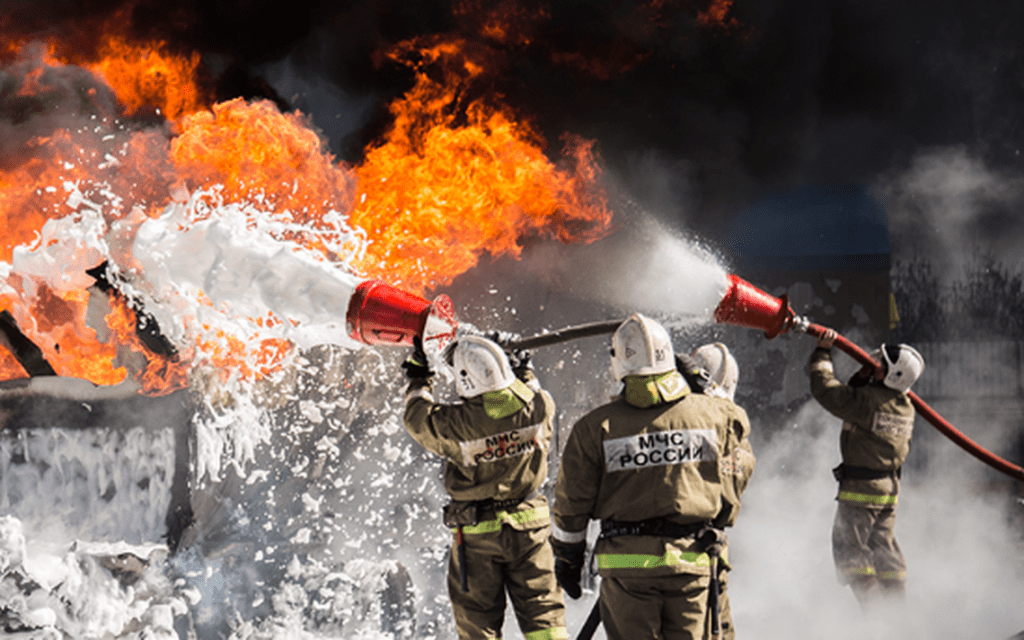
Since the 1970s, the U.S. military has employed these toxic foams as a primary firefighting agent for combating petroleum-based fires during training exercises. Despite accumulating evidence regarding their hazardous effects, the military has largely remained reticent about the health implications associated with PFAS exposure.
The detrimental effects of PFAS are well-documented, linked to an array of health issues including fetal abnormalities, genotoxicity, various cancers, and a rise in childhood diseases. These risks, while potentially analogous to hazards encountered on the battlefield, have not been fully elucidated, raising concerns about transparency and possible obfuscation in reporting these health threats.
The nomenclature “Department of Defense” is often associated with safety and welfare for military personnel; however, alarming reports indicate a systematic disregard for the health of service members and surrounding communities through negligent practices in handling AFFF. Affected communities are increasingly vocalizing their demands for justice and accountability regarding the environmental and public health crises exacerbated by these chemicals.
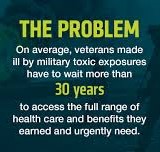
The urgency for governmental response is critical. Will it take further generations of service members and their families suffering from long-term health effects before substantive action is taken? It has only been in recent years that the U.S. government has started to formally acknowledge the severe health impacts facing veterans from past exposures in Vietnam, Korea, Thailand, and other military sites—often long after many have suffered significant health declines.
In the United States, over 77,000 new diagnoses of non-Hodgkin’s lymphoma occur annually. While increasing age is the most common risk factor, evidence suggests that PFAS exposure significantly contributes to this malignancy. These chemicals have been detected at more than 700 military installations nationwide, leaving communities exposed to dire environmental hazards. The principal source remains AFFF, a highly effective agent for suppressing fires fueled by jet fuel and petroleum products.
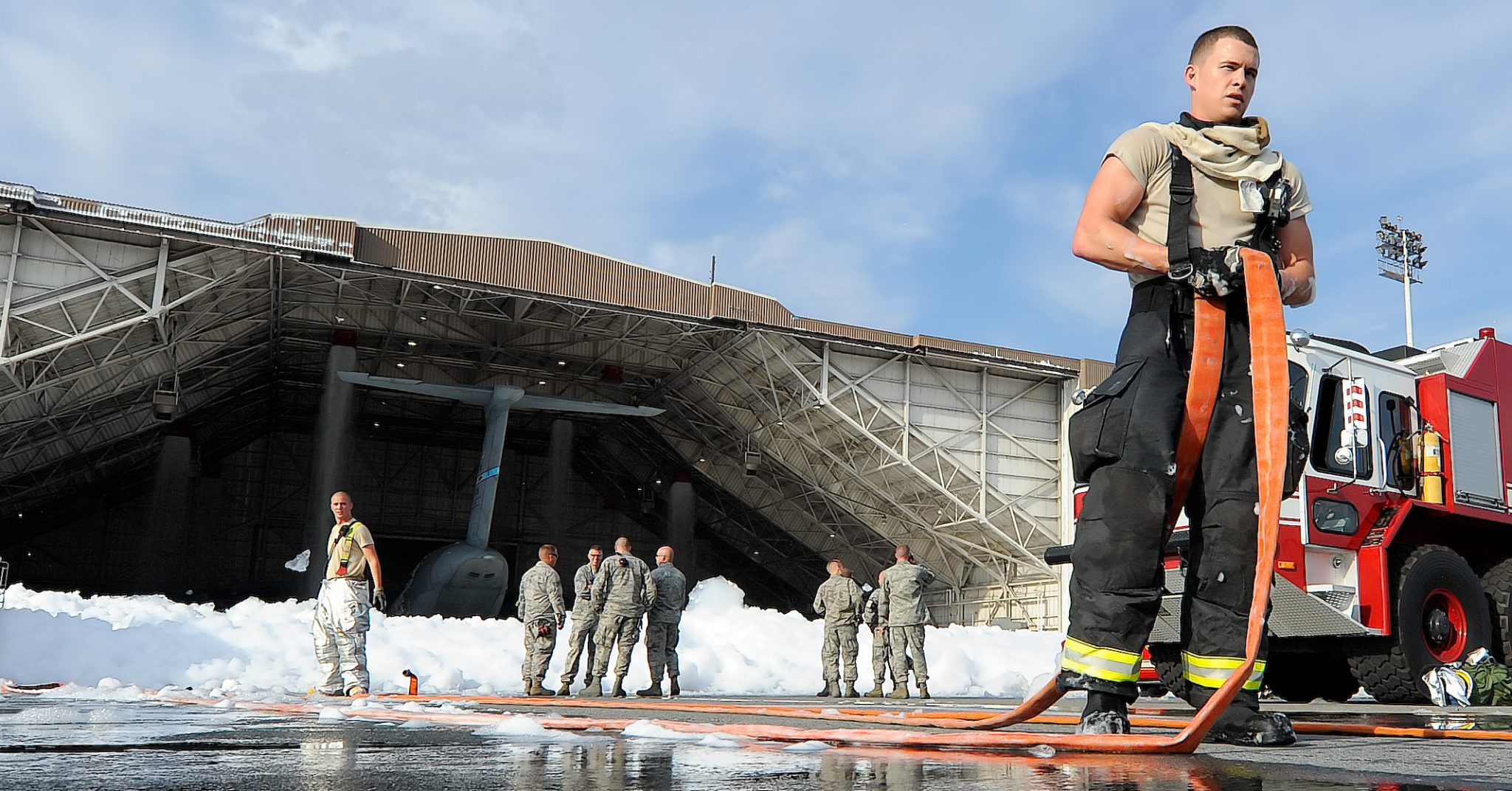
Landstuhl, Germany, exemplifies the contamination risks associated with PFAS. Within its water treatment infrastructure, PFAS presence serves as a sobering reminder of the persistent dangers of these “forever chemicals.” This region, part of the Kaiserslautern Military Community (KMC) and proximate to the Ramstein Air Base, has been adversely affected due to the extensive use of firefighting foam containing PFAS at the Landstuhl Military Complex, underscoring an urgent need for action and accountability to mitigate the pervasive environmental damage caused by these substances.
Works Cited
Elder, Pat. “Germans, Japanese, and Marylanders Are Poisoned by the U.S. Military.” https://www.militarypoisons.org/latest-news/germans-japanese-and-marylanders-are-poisoned-by-the-us-military 9 Sept 2021.
“The US Military Poisoning Germany.” https://www.civilianexposure.org/the-u-s-military-is-poisoning-germany/ n.d.
https://www.publichealth.va.gov/exposures/pfas.asp
https://www.gao.gov/products/gao-24-107322
https://pmc.ncbi.nlm.nih.gov/articles/PMC10233753/

 The Family Unit